In my case, the £16.93 will be added to my account. Do I need to deduct 20% from £16.93, or from the profit I made?
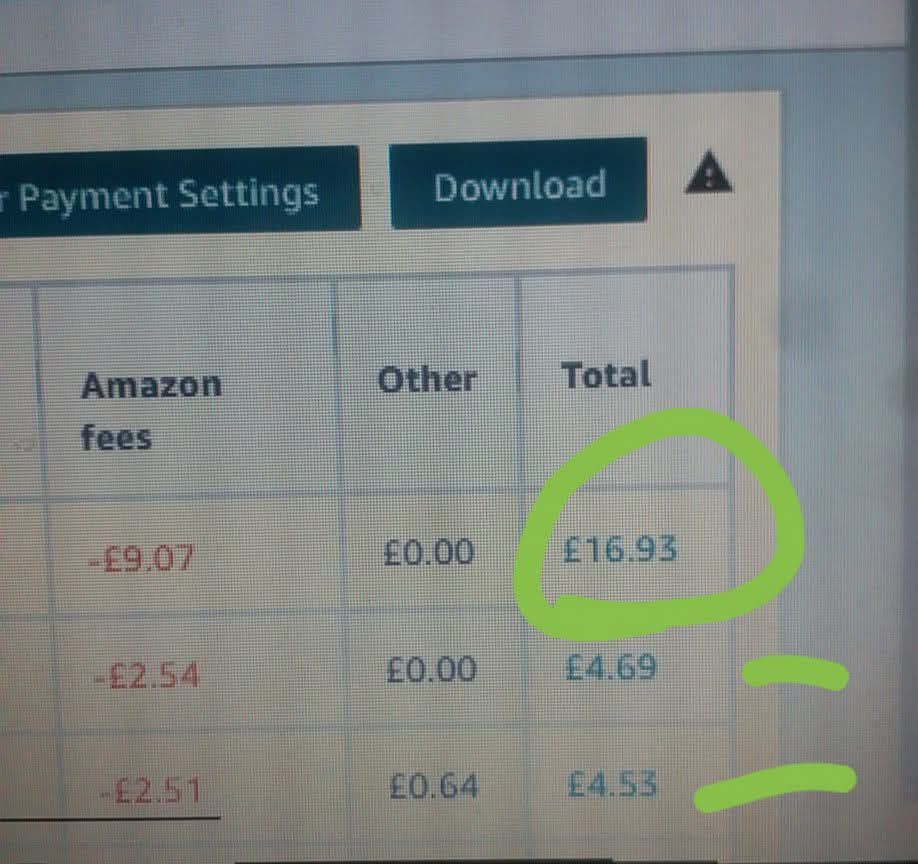
For VAT, I would avoid thinking of it as “deduct 20% from profit”. VAT is usually a tax collected on the sale, so the cleaner way is to separate it before you judge whether the SKU is profitable.
Simple UK-style example if the customer pays £20 including VAT:
- Gross sale price: £20.00
- Net sale value before output VAT: £20 / 1.20 = £16.67
- Output VAT to account for: £3.33
- Product cost, if VAT is reclaimable: use the ex-VAT cost
- Amazon referral/FBA/ads: use the net cost if you can reclaim input VAT, otherwise use the full cost
- Then add shipping, prep, storage, returns/refunds allowance, and any packaging cost
So if your Amazon disbursement shows £16.93, first check exactly what Amazon has already removed to arrive at that figure. Do not assume the £16.93 is profit. It may already be after Amazon fees, but it does not automatically mean VAT, COGS, inbound shipping, returns, ads, and overhead are covered.
A practical formula is:
net profit = sale price excluding VAT - product cost excluding reclaimable VAT - Amazon fees - fulfilment/shipping - ads - returns allowance - packaging/other variable costs
For anything VAT-specific, confirm with an accountant because the treatment depends on whether you are on standard VAT, flat-rate VAT, and whether the costs include recoverable VAT. But for product decisions, always compare SKUs on ex-VAT revenue and all variable costs.
Disclosure: I work on MerchantHQ. We made a free no-signup calculator that does this SKU-level net profit check after fees, ads, shipping, and returns if you want a quick second pass on the numbers: Free True Profit per SKU Calculator — Shopify, Amazon, Etsy | MerchantHQ